Client
FCDO, via Faculty AI
A propaganda monitor that lets non-Arabic-speaking analysts read the answer in minutes — not wait days for a translation queue.
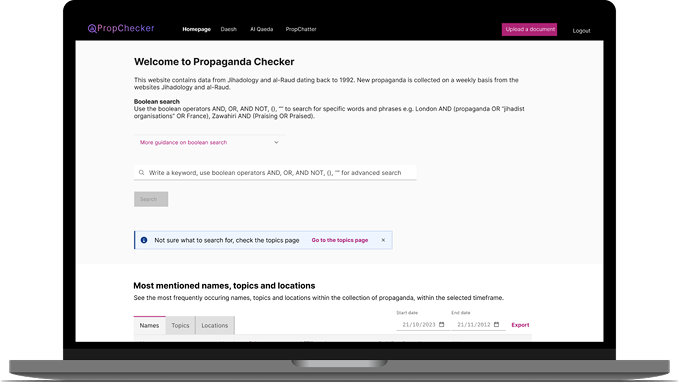
An organisation within the FCDO monitors foreign-language propaganda to spot narratives that could threaten the UK. The catch: most of the staff doing that monitoring don't speak Arabic. Every piece of content had to go through translation services first — slow, costly, and a hard ceiling on how much an analyst could ever review.
The brief was to remove that ceiling: let analysts find relevant material and read an English summary of it themselves, without specialist database skills and without waiting in a translation queue.
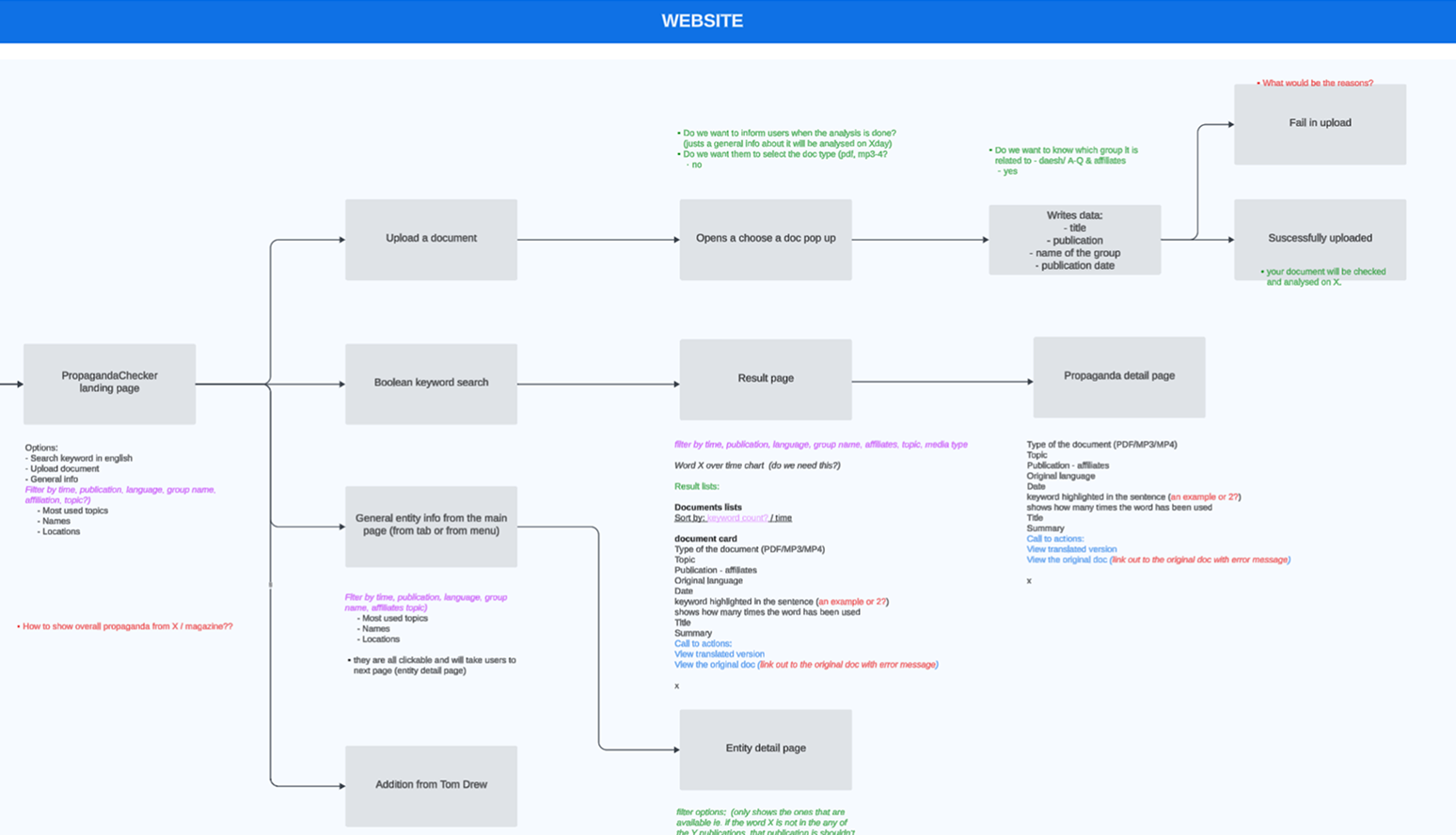
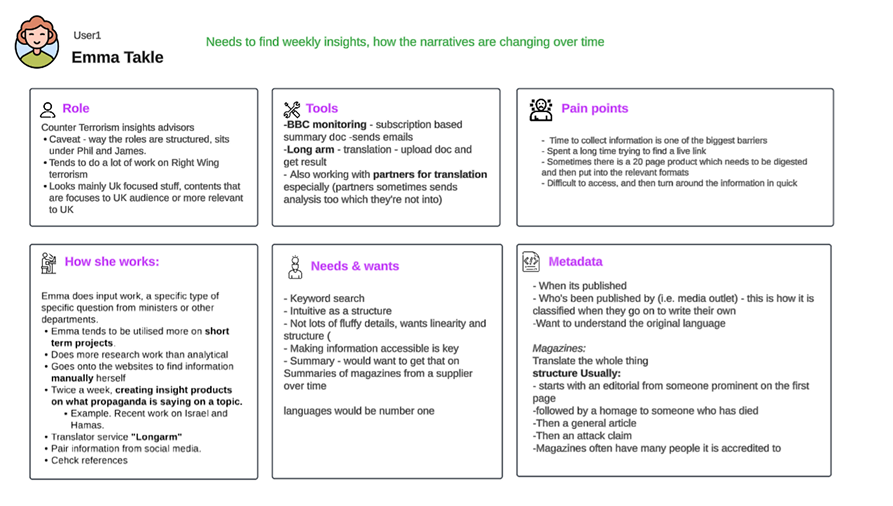
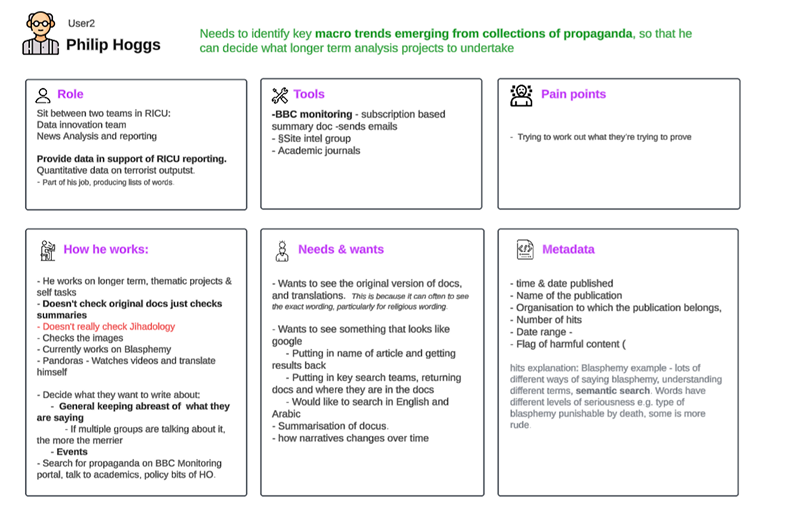
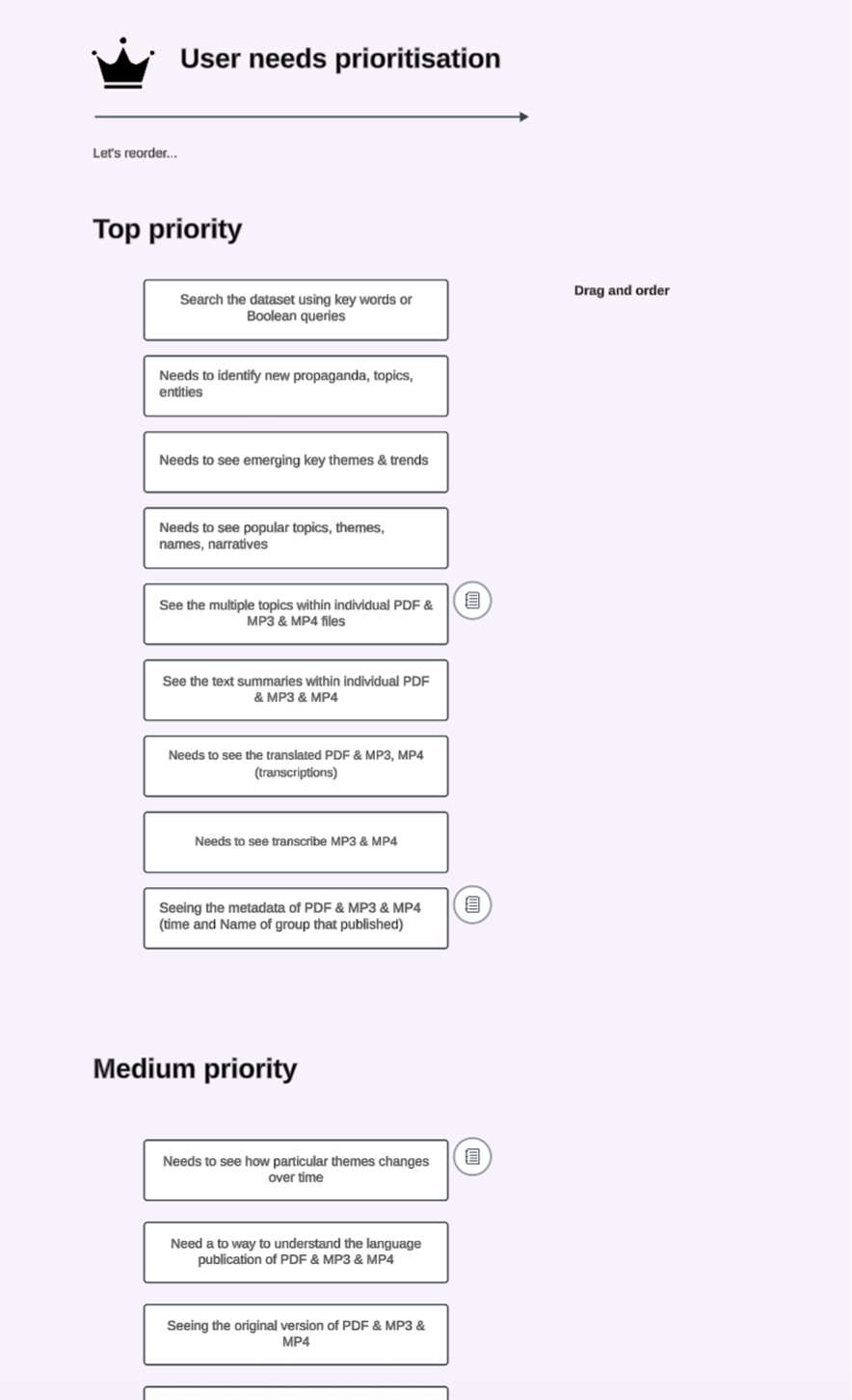
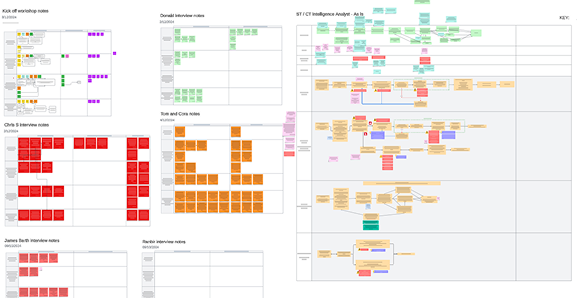
I led research through three interviews with stakeholders and end users, including a deep dive with our primary analyst. From that I built two personas — Emma, a counter-terrorism insights advisor, and Philip — and wrote the user stories that gave the team a shared, concrete picture of what we were solving and for whom.
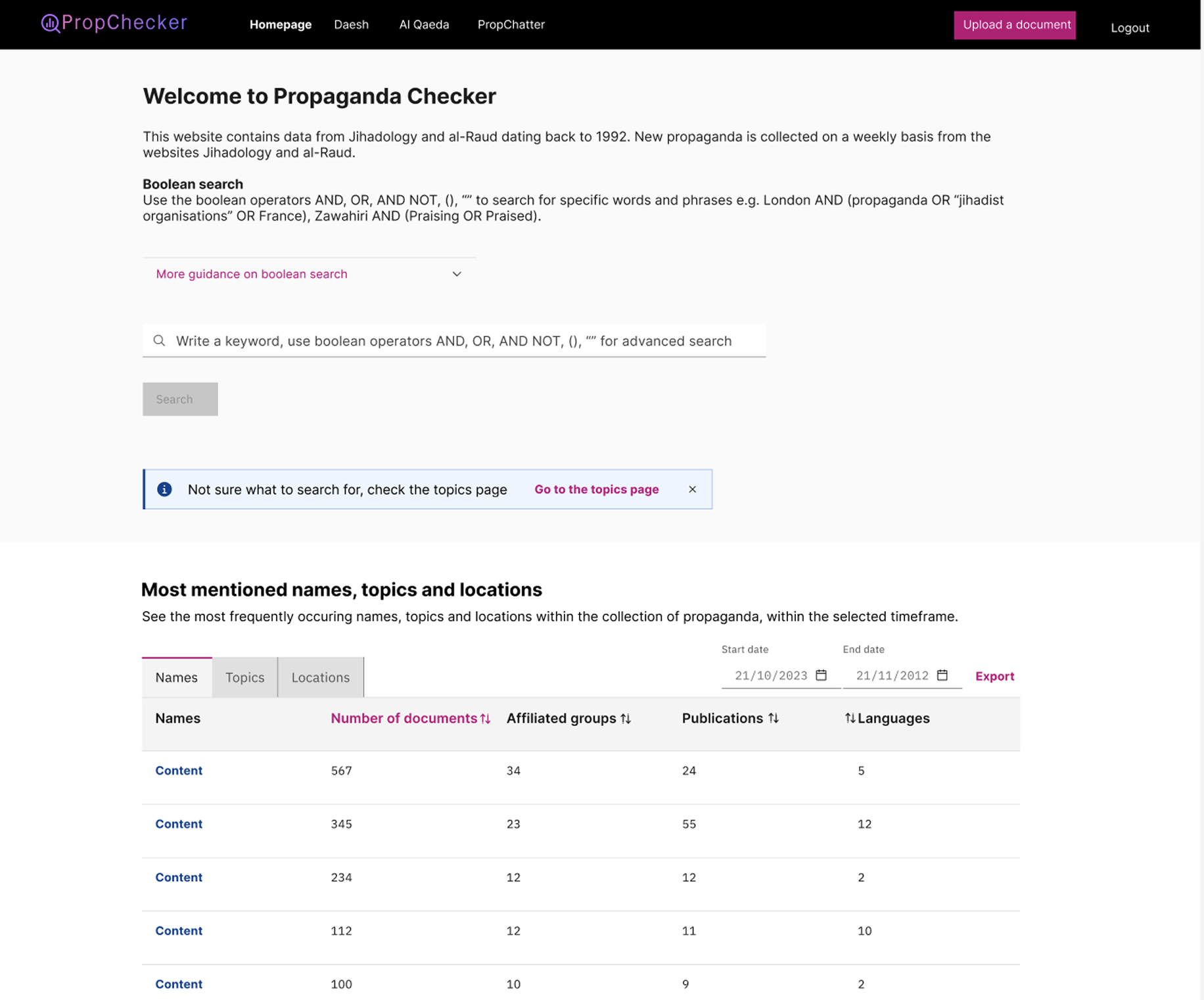
The three-month MVP let analysts search, scan and understand foreign-language content without reading hundreds of pages or waiting on translation. We seeded the dataset from two source websites, with entity recognition surfacing the key people, places and topics inside it.
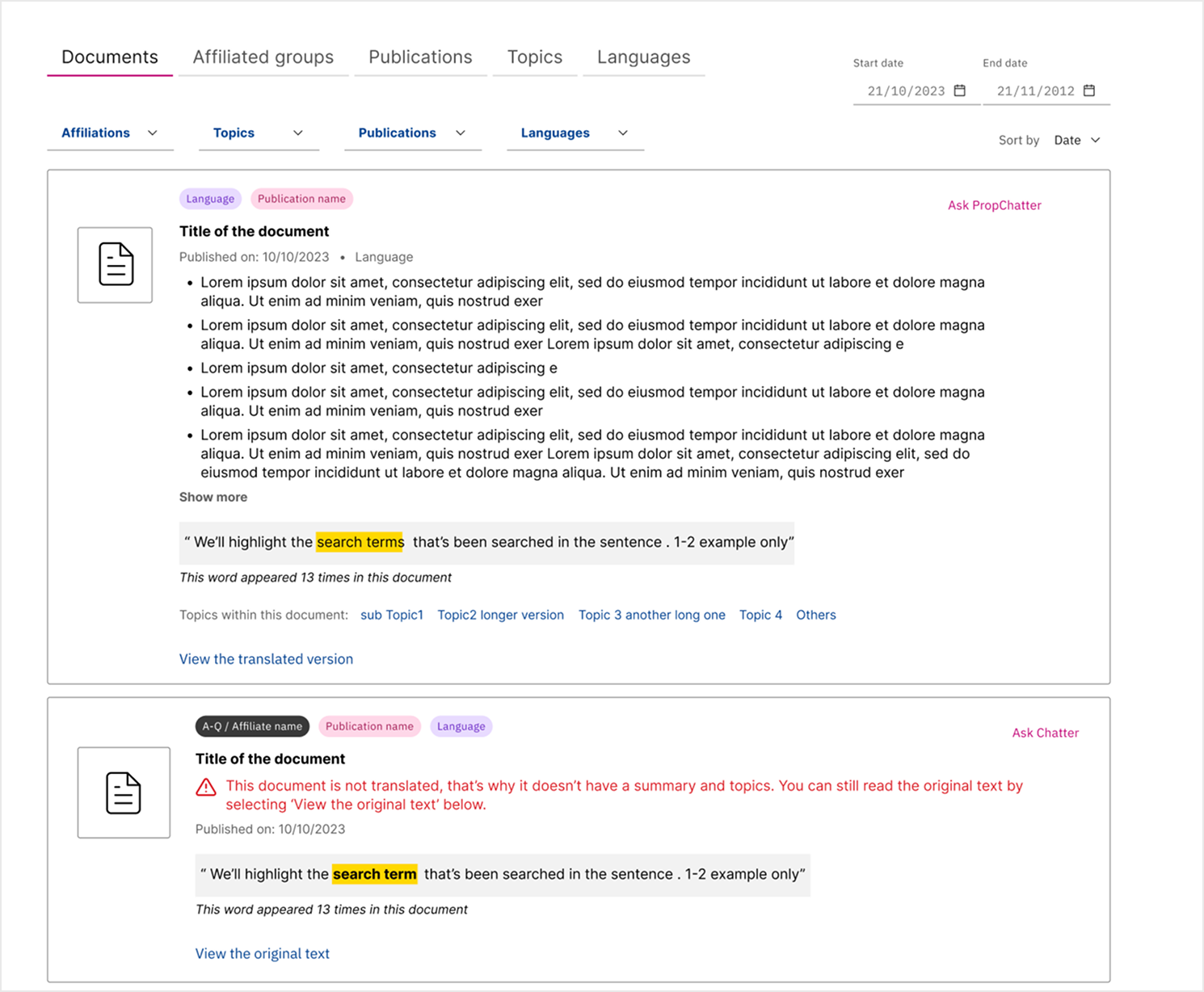
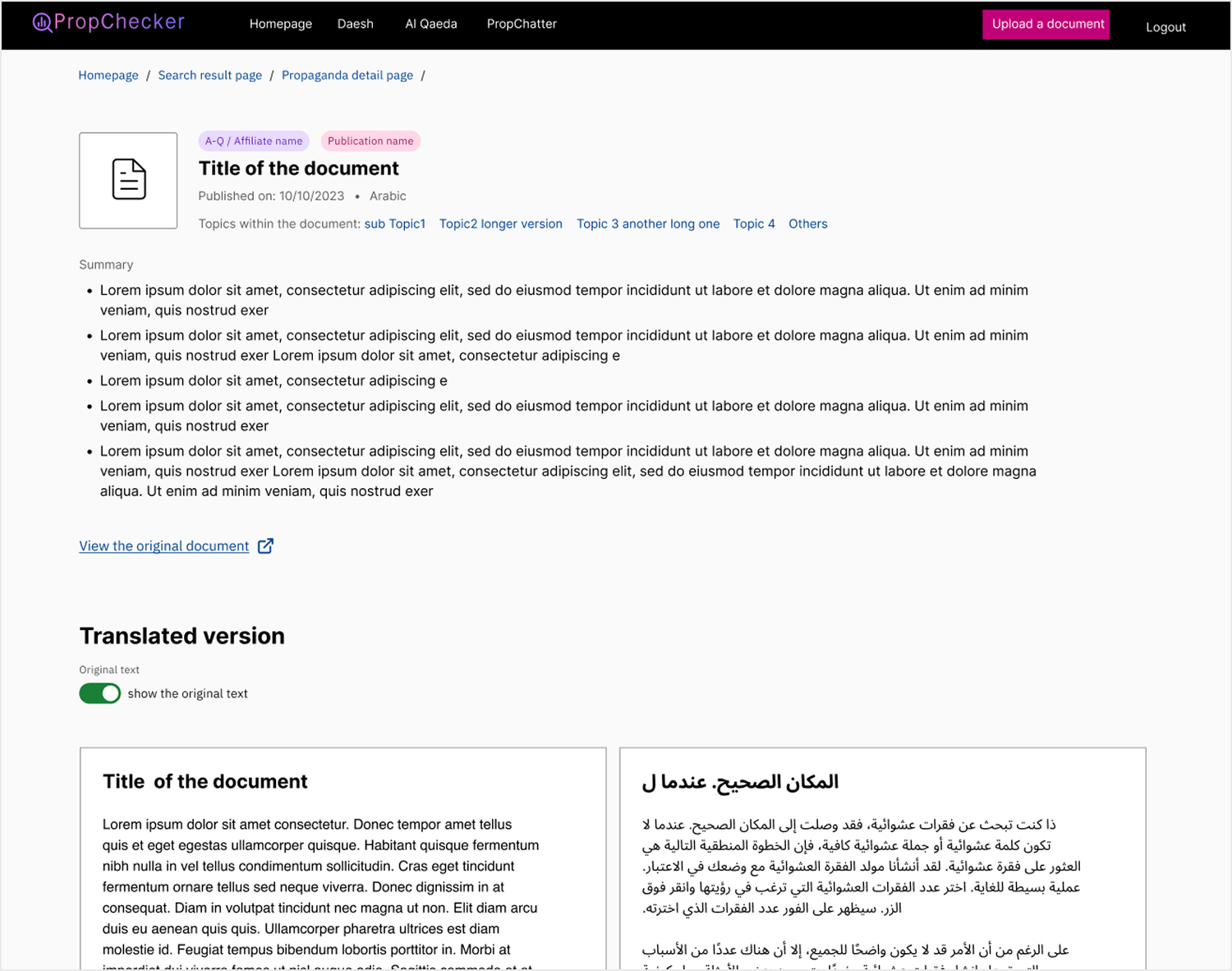
Analysts ran keyword searches and instantly surfaced relevant material. Each result was auto-translated and summarised in English — with the search terms highlighted directly inside the summary, so the eye lands on what matters first.
Once the MVP was working well, two follow-on projects pushed it further. We added a GenAI layer so analysts could ask open questions of the dataset. Crucially, every response checked the source documents and highlighted exactly the ones it had consulted — building in the explainability a government accountability context demands.
A second follow-on brought in more UK government departments and a far larger, more complex dataset, extending the same search-and-summarise model across a much broader range of intelligence sources.
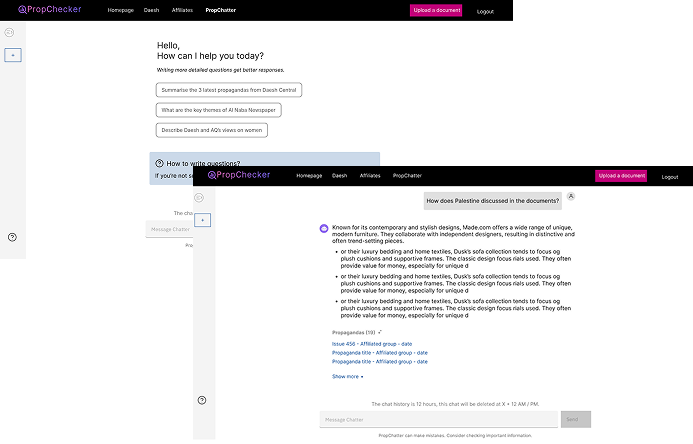
Once the flows were aligned, I moved into low-fidelity wireframes and tested continuously with the champion group. We iterated quickly before moving to UI in the GOV.UK Design System — keeping the product accessible, clear and consistent with the standards analysts already trust.
The win wasn't a cleverer search box. It was giving an analyst who doesn't speak the language a way to read the answer — and see where it came from.
PropChecker cut the time FCDO analysts spent processing foreign-language content by 78% — and moved the team from depending on external translation to working directly, in English, against a live and growing dataset.